A Comprehensive Overview to the Benefits of Using Aluminum Casting for Item Development
Aluminum casting presents a variety of advantages that can considerably boost product growth throughout several industries. Its lightweight nature adds to enhanced efficiency and performance, while its strength and longevity make it a reliable option for different applications. Furthermore, aluminum's rust resistance and cost-effectiveness interest producers concentrated on sustainability. As markets continue to progress, comprehending these advantages becomes crucial for innovation. What specific applications can genuinely showcase the potential of aluminum casting?
Recognizing Aluminum Casting: An Introduction
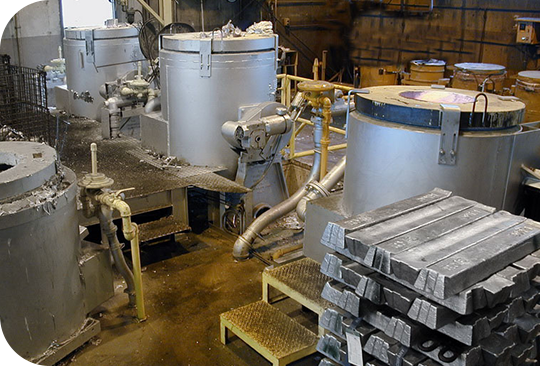
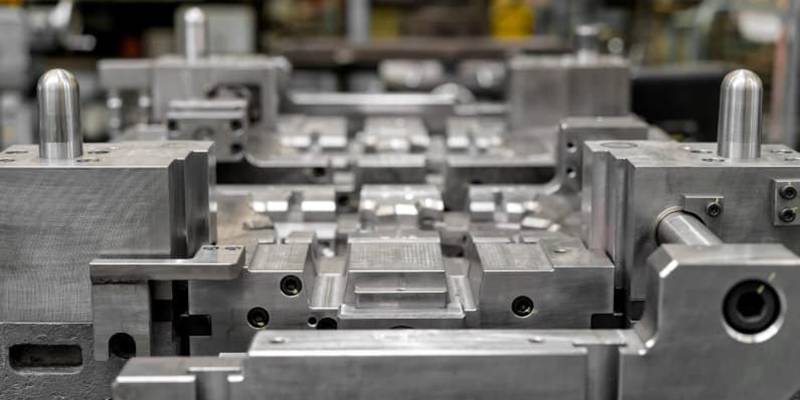
Aluminum casting is a versatile manufacturing process that involves putting molten aluminum right into a mold and mildew to create detailed forms and components. This method is commonly used in numerous industries because of its ability to generate complex geometries with high accuracy. The procedure starts with the creation of a mold, which can be made from numerous materials such as sand or metal. As soon as the mold and mildew is prepared, liquified aluminum is gathered and enabled to cool down, strengthening right into the desired form.
Aluminum casting deals a number of benefits, including excellent fluidity, which permits in-depth styles and smooth surface areas. Additionally, it has a fairly reduced melting point, making the process energy-efficient compared to various other metals - Aluminum Castings. Post-casting, the parts can undertake more machining to attain particular resistances and finishes. This combination of versatility and efficiency makes aluminum casting an attractive option for item growth throughout numerous fields, including automobile, aerospace, and customer goods
The Lightweight Benefit: Enhancing Item Performance
The light-weight nature of aluminum casting considerably adds to improved item efficiency across numerous applications. By minimizing general weight, items can attain enhanced gas efficiency and ability to move, while likewise reducing user exhaustion. This advantage settings aluminum casting as an important aspect in the growth of high-performance items.
Improved Fuel Efficiency
Minimizing weight in production has ended up being a crucial method for boosting gas effectiveness in various markets, especially in auto and aerospace sectors. Aluminum casting plays a pivotal duty in accomplishing this goal due to its light-weight properties. By substituting traditional materials with aluminum, producers can develop parts that noticeably reduced automobile weight, resulting in boosted gas consumption. A lighter lorry requires much less power to operate, equating to reduced fuel prices and lower greenhouse gas exhausts. In addition, aluminum's strength-to-weight proportion permits the layout of durable yet lightweight frameworks, additionally optimizing performance. This critical focus on weight reduction not just improves fuel efficiency but also lines up with worldwide sustainability objectives, making aluminum casting a significantly eye-catching choice for producers looking for to innovate properly.
Enhanced Maneuverability
Weight decrease achieved through aluminum casting considerably improves ability to move in different applications, specifically in lorries and machinery. The lightweight nature of aluminum permits for quicker velocity and sharper transforming abilities, making it a suitable choice for automobile style and aerospace engineering. This decrease in mass enables drivers to apply much less pressure when steering or maneuvering, inevitably causing improved control and responsiveness. In sectors such as robotics and product handling, the dexterity provided by aluminum castings assists in detailed activities and accurate operations. Furthermore, the reduced weight of elements can lead to innovative layouts that even more maximize performance, enabling extra effective use of space and power. Overall, enhanced maneuverability is a significant benefit that aluminum casting brings to product development.
Lowered Tiredness Levels
Significant decreases in part weight contribute to lower exhaustion degrees for customers in different applications. Aluminum casting, known for its lightweight homes, plays a vital function in boosting individual convenience and performance. When items are lighter, customers experience less pressure during long term use, specifically in industries such as aerospace, automotive, and customer electronic devices. This decrease in weight not just enhances handling but likewise diminishes the physical toll on the customer, enabling longer operational durations without pain. As a result, aluminum-cast parts can cause increased efficiency and effectiveness. Furthermore, the boosted fatigue resistance is beneficial in high-stress settings, where conventional materials might fail. Generally, aluminum casting emerges as a crucial choice for creating innovative items that focus on customer experience and performance.
Stamina and Sturdiness: Why Aluminum Casting Stands Out
Aluminum casting is recognized for its outstanding weight-to-strength ratio, making it an excellent selection for applications needing both longevity and lightweight properties. Furthermore, its fundamental resistance to rust improves its longevity and performance in numerous settings. These attributes position aluminum casting as a standout option in product advancement.
Extraordinary Weight-to-Strength Ratio
The remarkable weight-to-strength proportion of aluminum casting makes it a favored option in different markets. This one-of-a-kind characteristic permits producers to develop light-weight parts without compromising architectural honesty. Because of this, products can achieve improved performance, particularly in applications where minimized weight is essential, such as vehicle and aerospace industries. The capacity to keep strength while lessening weight leads to increased efficiency, fuel cost savings, and enhanced handling. Furthermore, aluminum casting permits for complex shapes that conventional materials may have a hard time to accomplish, further enhancing styles for capability and performance. This combination of lightness and toughness not only facilitates innovative item advancement yet additionally adds to total cost-effectiveness, making aluminum casting an eye-catching alternative for engineers and designers alike.
Resistance to Rust
Among the standout attributes of aluminum casting is its exceptional resistance to corrosion, which considerably improves the strength and toughness of items made from this material. Unlike numerous steels that wear away when revealed to dampness or extreme settings, aluminum forms a protective oxide layer that avoids more oxidation. This characteristic makes aluminum spreadings optimal for numerous applications, this page specifically in markets such as vehicle, aerospace, and marine, where direct exposure to corrosive elements prevails. Furthermore, this resistance contributes to decrease upkeep expenses and longer product lifespans, giving significant financial advantages. On the whole, the deterioration resistance of aluminum click to read more casting not just ensures the honesty of items but also makes it a recommended option for programmers going for reliability and durability in their designs.
Corrosion Resistance: Securing Your Products
Reliable deterioration resistance is necessary for enhancing the longevity and dependability of items in different industries. Aluminum casting gives an exceptional advantage around, as aluminum normally develops a protective oxide layer when subjected to air. This oxide layer functions as a barrier against environmental elements such as dampness and salts, significantly minimizing the risk of corrosion.
Aluminum's lightweight nature does not compromise its stamina, making it an ideal choice for applications in auto, aerospace, and aquatic atmospheres where exposure to corrosive components is common (Aluminum Castings). Products made from aluminum casting not just hold up against harsh conditions however also require marginal upkeep in time
The integral rust resistance of aluminum guarantees that products keep their visual charm and performance, eventually bring about greater client satisfaction. By making use of aluminum casting, makers can safeguard their items efficiently, assuring they stay sturdy and reliable throughout their lifecycle.
Cost-Effectiveness: Stabilizing High Quality and Spending Plan
Aluminum casting not only uses impressive rust resistance however also presents a cost-effective solution for item development. By making use of aluminum, suppliers can achieve top notch components without incurring excessive costs. The product's lightweight nature lowers delivery and handling expenses, while its malleability permits complex styles that reduce the demand for extra machining procedures.
In addition, aluminum casting processes can be scaled to fit differing manufacturing quantities, making sure that services can adjust their outcome based on market demands without sacrificing high quality. The toughness of aluminum elements additionally implies lower maintenance expenses over time, offering long-lasting cost savings.
In addition, aluminum's superb thermal conductivity and strength-to-weight ratio add to efficient item performance, additional justifying the preliminary financial investment. Eventually, firms can strike a balance between quality and spending plan, making aluminum casting an appealing selection for those seeking to maximize both performance and expense in item development.
Sustainability and Recyclability: The Eco-Friendly Option
While the ecological impact of producing procedures is increasingly inspected, aluminum casting becomes a lasting choice because of its integral recyclability and reduced carbon footprint. Aluminum can be reused forever without loss of top quality, making it a highly sustainable product for manufacturing. This reusing procedure consumes less energy compared to main aluminum manufacturing, which substantially lowers greenhouse gas emissions.
The use of aluminum casting decreases waste during the manufacturing process, as excess material can frequently be reused in future jobs. The durability and longevity of aluminum products further contribute to sustainability by decreasing the requirement for frequent replacements. As industries shift toward environmentally friendly methods, aluminum casting provides a feasible option that lines up with environmental goals. By going with aluminum, manufacturers not only sustain lasting techniques yet likewise improve their check over here business obligation initiatives, appealing to environmentally aware customers and stakeholders alike.
Applications of Aluminum Casting in Different Industries
The adaptability of aluminum casting allows it to be utilized throughout a large variety of markets, even more boosting its allure as a sustainable material. In the automobile sector, aluminum castings are used in engine blocks, transmission situations, and structural components, contributing to lighter automobiles and enhanced gas performance. The aerospace market gain from aluminum spreadings, which give light-weight yet long lasting parts crucial for aircraft performance and security. In the customer electronic devices field, aluminum spreadings are made use of for housings and structural components, supplying both aesthetics and functionality. Additionally, the construction sector depends on aluminum castings for home window frameworks, roof covering, and ornamental components, combining stamina with design versatility. The clinical area additionally incorporates aluminum castings in devices and tools, guaranteeing reliability and accuracy - Aluminum Castings. In general, aluminum casting's versatility makes it a recommended choice in different markets, driving development and performance in product advancement
Regularly Asked Inquiries
Just How Does Aluminum Casting Contrast to Various Other Casting Methods?
Aluminum casting is usually chosen over various other methods because of its light-weight nature, excellent thermal conductivity, and resistance to corrosion. Compared to steel or iron, aluminum offers greater design flexibility and shorter production times.
What Industries Benefit The Majority Of From Aluminum Casting?
Various markets, consisting of automotive, aerospace, and electronics, greatly take advantage of aluminum casting. Its light-weight properties, deterioration resistance, and outstanding thermal conductivity improve item performance, making it a preferred option for manufacturing top notch components across these industries.
Can Aluminum Casting Be Made Use Of for Intricate Layouts?
Aluminum casting can without a doubt fit elaborate styles as a result of its fluidity and capability to record great information. This versatility makes it appropriate for numerous applications, including automobile, aerospace, and artistic ventures, boosting the imaginative possibility in item advancement.
What Are Common Obstacles in Aluminum Casting?
Usual difficulties in aluminum casting include problems with contraction, gas porosity, and mold style intricacies. Additionally, achieving exact dimensional precision can be tough, demanding cautious planning and quality assurance throughout the casting process.
Just how Does the Aluminum Casting Process Impact Lead Times?
The aluminum casting procedure can significantly affect preparations by improving production with efficient mold and mildew production and quick cooling. However, complexities in design and possible flaws may extend timelines, needing cautious planning to maximize end results.
Comments on “10 reasons to choose Aluminum Castings for automotive applications”